
Market Check-In: What Denver’s January Numbers Mean for You
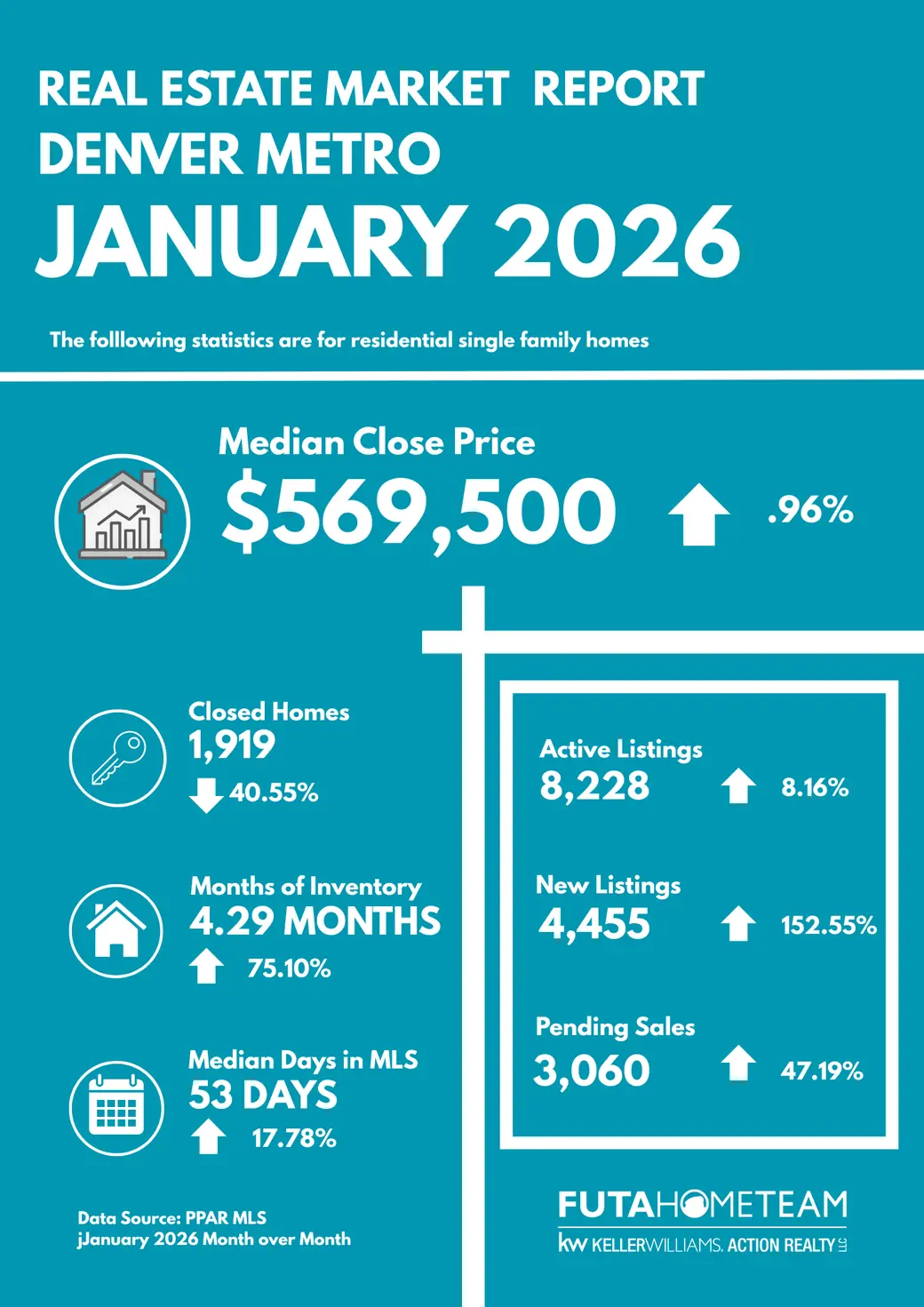
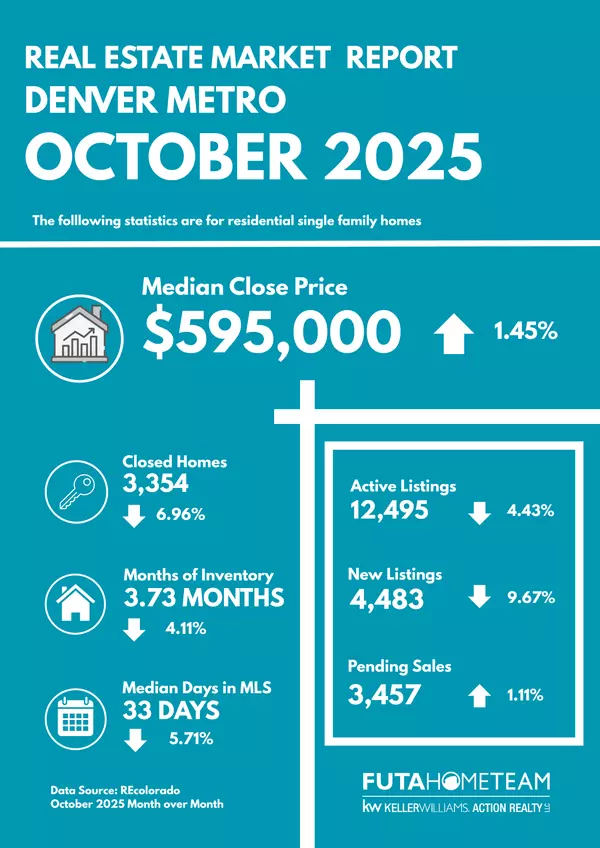
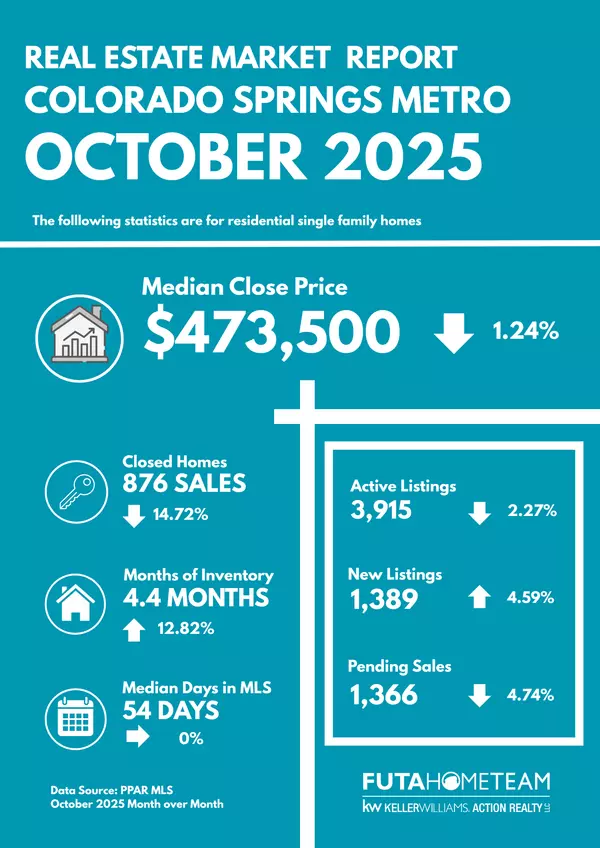
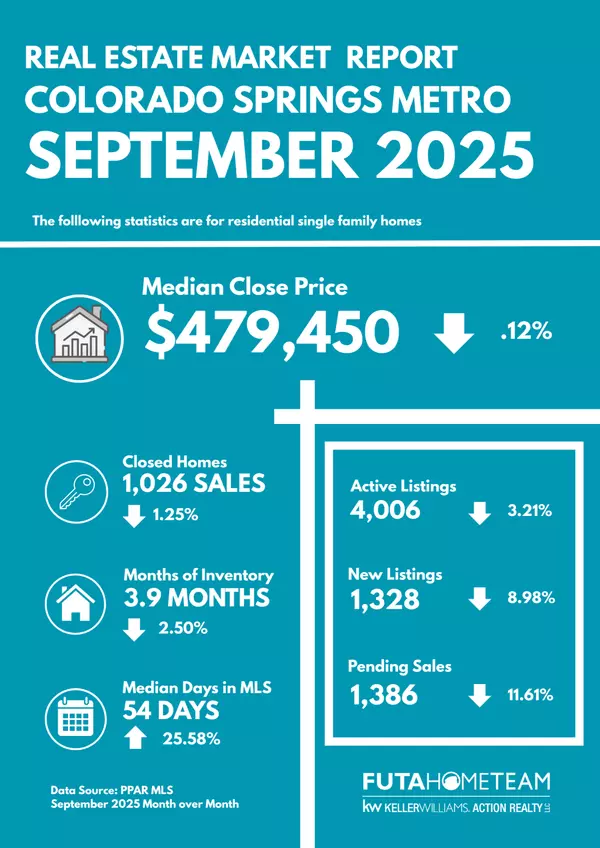
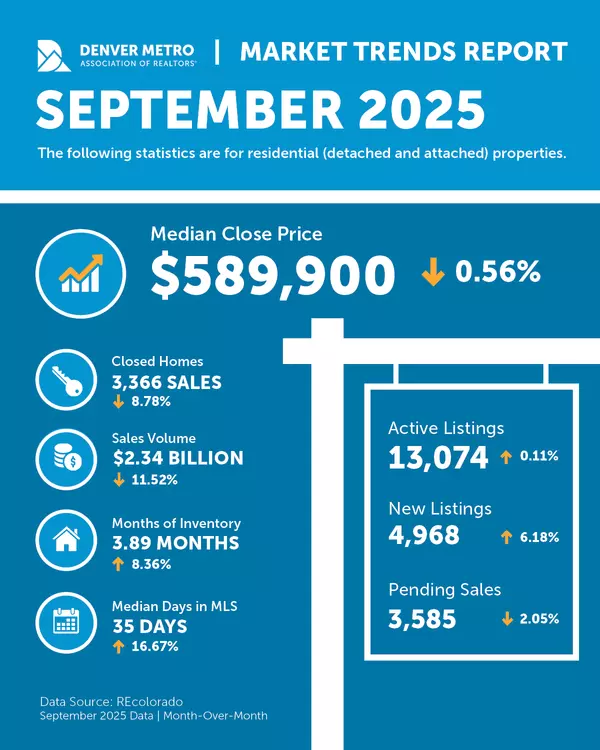
If you’ve been scrolling through home listings lately, you’ve probably noticed the Denver real estate market feels a bit different than it did a year or two ago. We just received the January 2026 Market Trends Report from the Denver Metro Association of Realtors (DMAR), and the data tells a story of a market that is finding its balance.
For a homebuyer, these numbers aren't just dry statistics—they are your secret weapon for negotiation. Here is a breakdown of what is actually happening in plain English.
1. More Choices on the Shelf
One of the biggest headlines this month is a surge in New Listings. In January 2026, new listings in the metro area were up a staggering 150% compared to December. While some of this is the "seasonal reset" of homes coming back after the holidays, total active listings are up 7% year-over-year.
What this means for you: You don't have to rush quite as much. There are more homes to tour, which usually means less pressure to make a decision in 20 minutes.
2. The "Hang Time" is Increasing
We often look at Days on Market (or "hang time") to see how fast the market is moving. Right now, the median-priced home is taking about 53 days to go under contract, up from days this time last year. Some reports even show homes sitting for over 60 days in certain segments.
What this means for you: Sellers are having to be more patient. When a home has been sitting for 60 days, it often opens the door for you to negotiate on price or ask for "concessions"—that's when a seller pays for some of your closing costs or helps buy down your interest rate.
3. Pricing is Stabilizing
While Denver remains an expensive market, the "sticker price" isn't skyrocketing like it once was. The median price for a single-family home was $615,000 in January, which is actually a 3.6% dip from a year ago.
What this means for you: We are seeing "price discipline". If a home is overpriced, it sits. This forces sellers to be realistic, which is great news for your wallet.
4. Why We Call it a "Balanced Market"
In real estate, we use a term called "Months of Supply." This represents how long it would take to sell every home currently on the market if no new ones were added.
-
A Seller’s Market usually has less than 4 months of supply (homes sell instantly).
-
A Buyer’s Market has more than 6 months of supply.
-
A Balanced Market is right in the middle, around 4 to 6 months.
Currently, we are trending toward that balanced territory. It’s a market that rewards strategy over speed.
The Bottom Line
2026 is shaping up to be a year of negotiation and opportunity. You have more leverage than you’ve had in a decade, but you still need a smart strategy to navigate interest rates and find the right neighborhood.
Ready to see what’s out there? I’d love to help you find a home that fits your life and your budget.
Sarah Futa, Realtor
https://searchcomls.com/
(303) 225-2707
Categories
Recent Posts

GET MORE INFORMATION